Systemic Tissue Remodeling & Somatotropic Recovery Stack
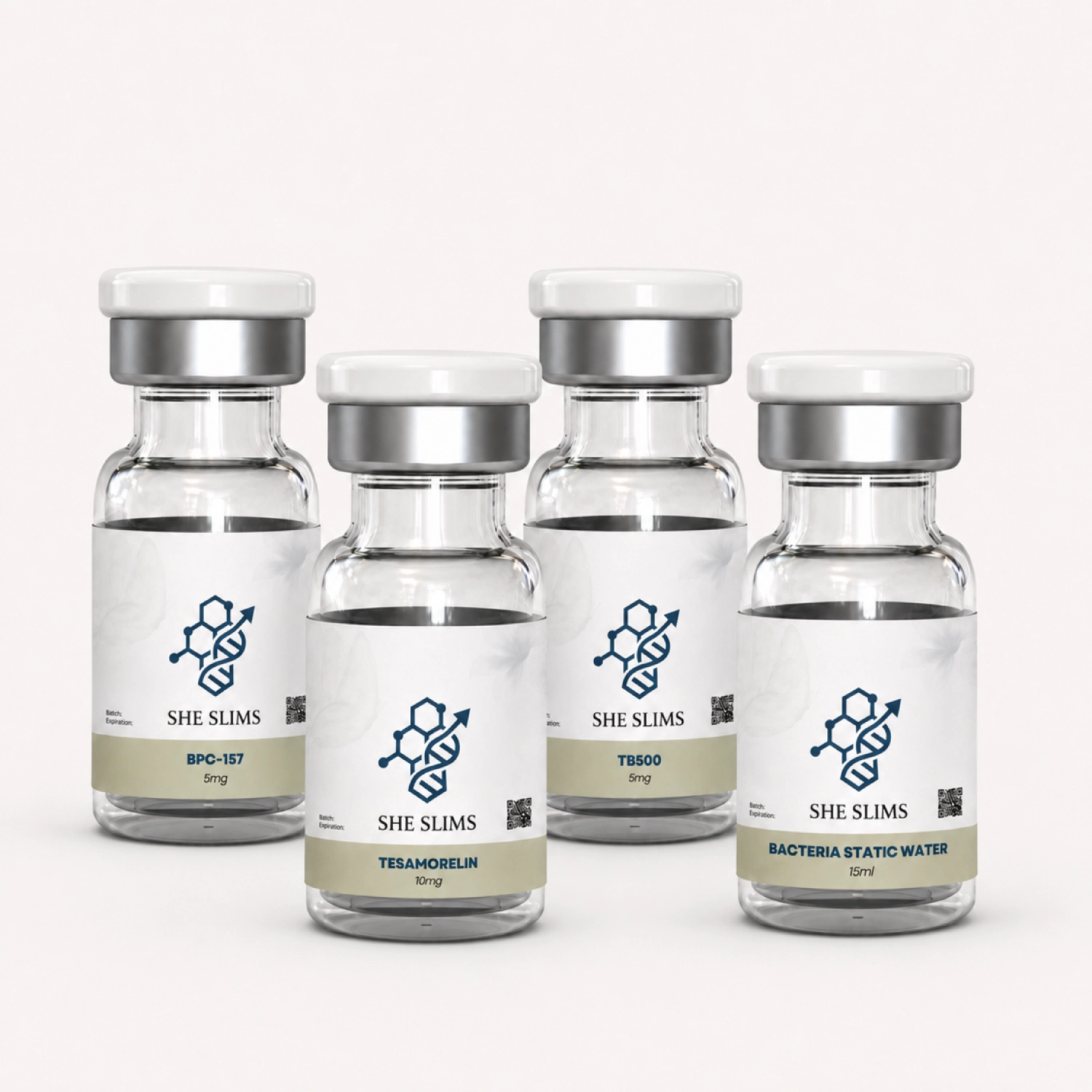
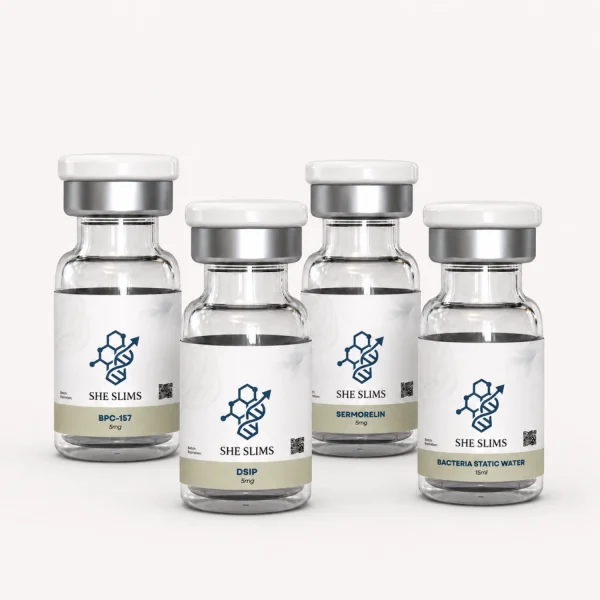
1 Bac Water | 2 5mg BPC-157 | 2 5mg TB-500 | 1 10mg Tesamorelin
The Systemic Tissue Remodeling & Somatotropic Recovery Stack combines three synergistic peptides engineered to accelerate multi-tissue repair, optimize cellular migration, downregulate localized inflammation, and elevate endogenous growth hormone (GH) secretion. By integrating a tissue-protective gastric pentadecapeptide, an actin-regulating cell mobility peptide, and a stabilized growth hormone-releasing hormone (GHRH) analog, this protocol establishes a comprehensive framework for research into tendon, ligament, muscle, and systemic musculoskeletal regeneration.
Mechanism Of Action
Angiogenic Signaling and Extracellular Matrix Repair: BPC-157 (Body Protection Compound-157) promotes blood vessel formation (angiogenesis) via upregulation of vascular endothelial growth factor (VEGF) receptors, modulates nitric oxide synthesis, and drives organized collagen deposition to accelerate the repair of tendons, ligaments, muscle fibers, and mucosal tissues.
Actin Regulation and Cellular Migration: TB-500 (synthetic fragment of Thymosin Beta-4) sequesters actin to facilitate rapid cellular migration and motility directly to injury sites. It downregulates pro-inflammatory cytokines, accelerates microvascular endothelial growth, and minimizes excessive fibrous scar tissue formation (fibrosis).
Pulsatile GH Release and Systemic Anabolic Signaling: Tesamorelin functions as a potent GHRH analog that selectively binds to pituitary somatotrophs, triggering natural, pulsatile growth hormone secretion. This physiological elevation stimulates downstream insulin-like growth factor 1 (IGF-1) production, promoting whole-body protein synthesis, cellular turnover, and structural tissue remodeling.
Potential Benefits
Dual-Pathway Accelerated Musculoskeletal Repair: Combines the localized angiogenic and collagen-structuring capabilities of BPC-157 with the systemic cellular motility and anti-fibrotic properties of TB-500, creating an ideal environment for soft tissue and connective tissue regeneration.
Somatotropic Repair Synergy: Tesamorelin-driven endogenous GH and IGF-1 release provides systemic hormonal support that amplifies the local cellular repair signaling initiated by BPC-157 and TB-500, enhancing overall tissue recovery rates.
Reduced Scarring and Improved Structural Integrity: Promotes organized, functional tissue remodeling rather than disorganized scar tissue formation, supporting long-term joint mobility, tensile strength, and structural resilience.
Research Studies
Synergistic Soft Tissue Regeneration: Preclinical literature demonstrates that concurrent activation of angiogenic pathways (BPC-157) and actin-mediated cell migration (TB-500) significantly accelerates tendon-to-bone integration, muscle regeneration, and functional recovery following trauma.
Targeted Somatotroph Stimulation and IGF-1 Dynamics: Clinical investigations establish Tesamorelin as a selective GHRH analog capable of sustainably raising baseline GH pulses and circulating IGF-1 without disrupting normal pituitary feedback mechanisms or glucose homeostasis.
Conclusion
The combination of BPC-157, TB-500, and Tesamorelin provides an advanced, multi-target platform for investigating soft tissue repair, cellular regeneration, and musculoskeletal recovery. By unifying localized angiogenic repair and cellular mobility with systemic somatotropic optimization, this stack offers a comprehensive model for restorative physiological research. Further research is warranted to assess optimal reconstitution ratios and synergistic regenerative kinetics.
Disclaimer
Disclaimer: The information provided is intended solely for research and educational purposes. It is not meant as medical advice, nor should it be used for diagnosis, treatment, prevention, or cure of any disease or health condition. These are research chemicals and are not approved for human use by the FDA or any other regulatory body. Their safety and efficacy for human use have not been established. Users are advised to conduct thorough research and consult with qualified healthcare professionals before considering their use. All experimentation should be conducted in accordance with relevant laws, regulations, and ethical guidelines.