Advanced Multi-Phase Metabolic Cycling & Dual-Receptor Thermogenic Stack
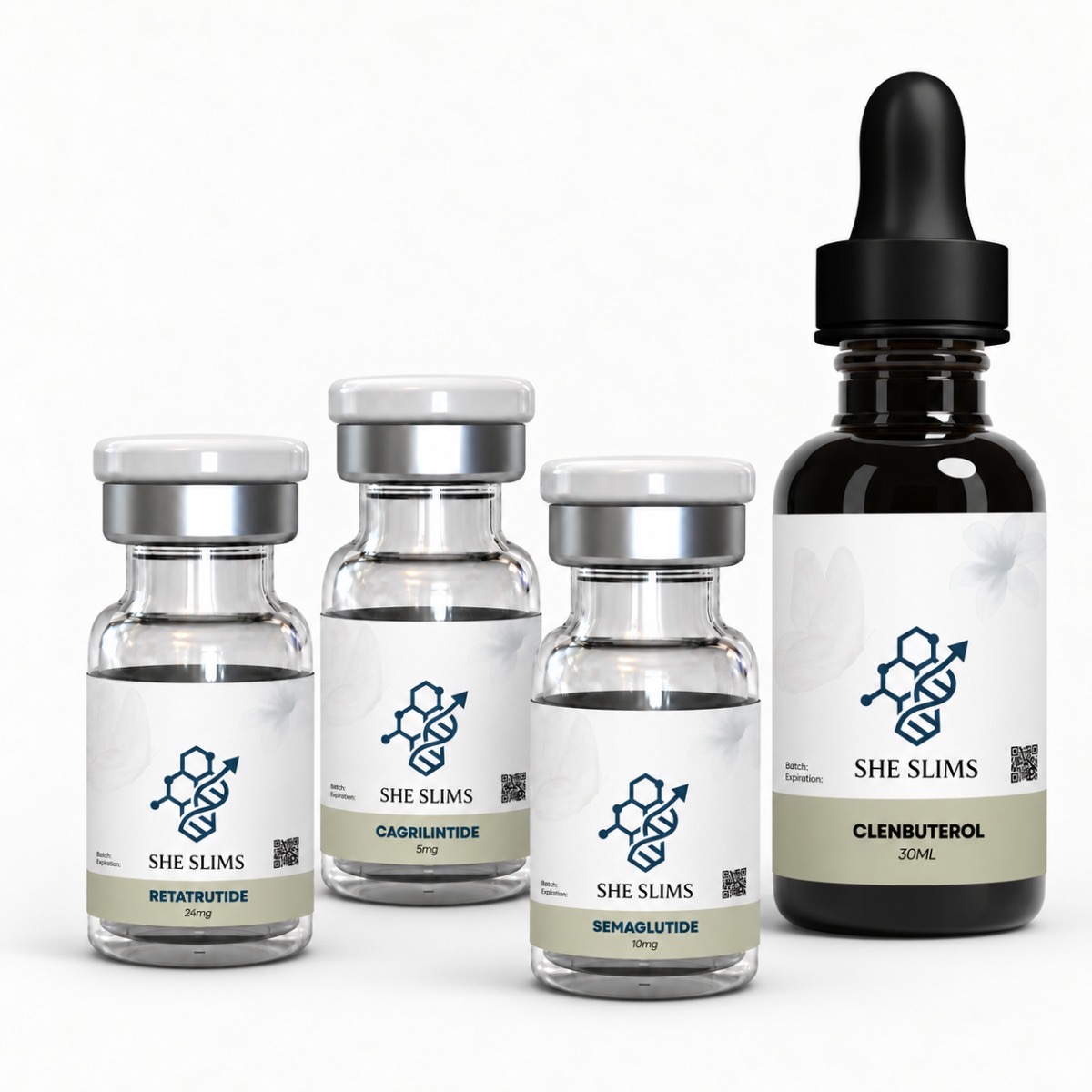
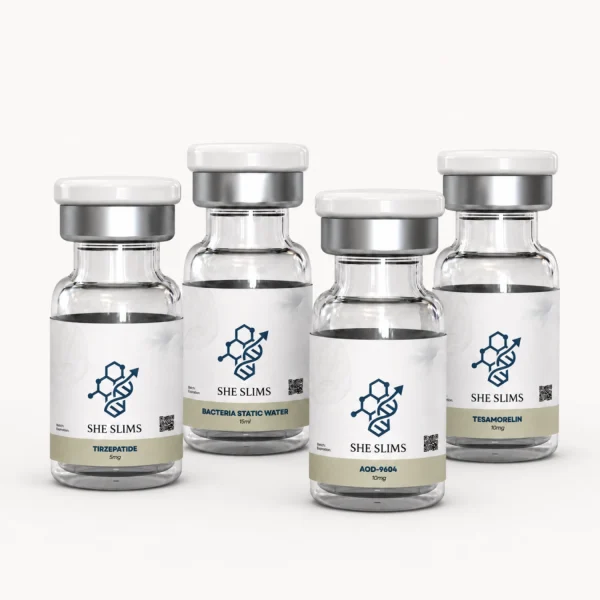
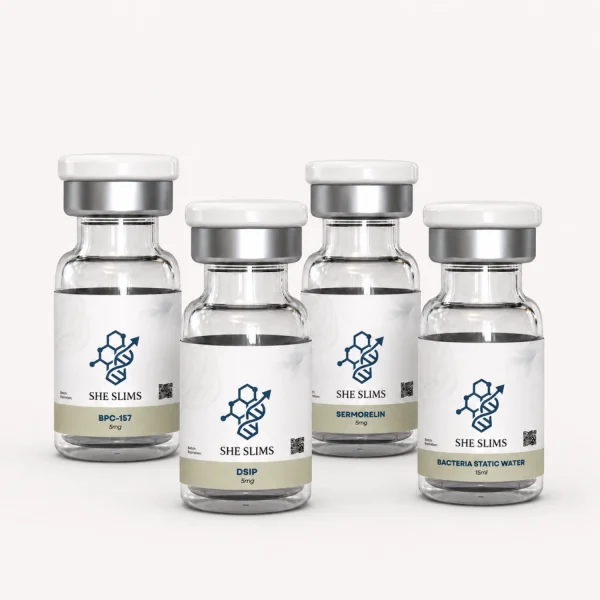
1 Bac Water | 1 24mg Retatrutide | 1 10mg Semaglutide | 1 5mg Cagrilintide | 1 Clenbuterol
The Advanced Multi-Phase Metabolic Cycling & Dual-Receptor Thermogenic Stack combines an alternating incretin/glucagon receptor rotation with non-incretin neuroendocrine signaling and sympathetic beta-2 adrenergic thermogenesis. By oscillating weekly between a triple agonist (Retatrutide) and a high-affinity mono-agonist (Semaglutide), co-administering a long-acting amylin/calcitonin mimetic (Cagrilintide), and integrating targeted adrenergic stimulation (Clenbuterol), this protocol establishes a comprehensive model for investigating receptor desensitization mitigation, multi-pathway satiety signaling, and resting energy expenditure optimization.
Mechanism Of Action
Alternating Incretin & Glucagon Receptor Dynamics: Oscillating weekly between Retatrutide (GLP-1R / GIPR / GCGR tri-agonist) and Semaglutide (selective GLP-1R mono-agonist) provides continuous baseline GLP-1 signaling while introducing intermittent GIP and glucagon receptor activation. This pulsed stimulation engages hepatic lipid oxidation and thermogenesis during tri-agonist phases, followed by a clearance interval that mitigates chronic receptor saturation and tachyphylaxis.
Non-Incretin Amylin & Calcitonin Receptor Agonism: Cagrilintide acts as a long-acting acylated dual amylin and calcitonin receptor agonist (DACRA). It operates independently of the incretin pathway, targeting the area postrema and paraventricular nucleus of the hypothalamus to delay gastric emptying, suppress postprandial glucagon secretion, and induce homeostatic satiety distinct from GLP-1 mechanisms.
Beta-2 Adrenergic Lipolysis & Thermogenesis: Clenbuterol selectively stimulates peripheral beta-2 adrenergic receptors, activating adenylate cyclase and driving intracellular cyclic AMP (cAMP) accumulation. This cascade phosphorylates hormone-sensitive lipase (HSL) to accelerate free fatty acid mobilization directly from white adipose tissue while moderately stimulating protein synthesis pathways via Akt/mTOR phosphorylation.
Protocol Architecture & Cycling Dynamics
Incretin Alternation Schedule: Administered on a structured 7-day rotational basis. Week A focuses on Retatrutide to drive multi-pathway GIP/glucagon hepatic energy expenditure; Week B rotates to Semaglutide to sustain tight glycemic control and selective GLP-1 satiety while allowing off-target somatotropic and glucagon receptors a clearance window.
Continuous Non-Incretin Foundation: Cagrilintide is maintained on a fixed weekly administration schedule across both Week A and Week B phases, serving as the non-incretin anchor that prevents compensatory hyperphagia during compound transitions.
Adrenergic Pulsing Schedule: Clenbuterol is integrated via a micro-titrated morning protocol or a standard “2-week active / 2-week cessation” cycle. This structured interruption accounts for rapid beta-2 receptor phosphorylation and arrestin-mediated receptor downregulation, preserving thermogenic efficacy over extended research timelines.
Potential Benefits
Receptor Resensitization & Attenuated Plateauing: Rotating between tri-agonist and mono-agonist profiles challenges metabolic pathways without subjecting secondary receptors (GIPR/GCGR) to continuous downregulation, preserving long-term biological responsiveness.
Dual-Mechanism Appetite Suppression: Synchronizing incretin receptor pathways (GLP-1/GIP) with non-incretin amylin/calcitonin signaling creates superior central satiety signaling and prolonged gastric delay compared to single-agent administration.
Compounded Resting Metabolic Rate: Combines the glucagon-mediated hepatic lipid clearance of Retatrutide with the peripheral cAMP-driven adrenergic thermogenesis of Clenbuterol, elevating basal metabolic throughput via two distinct physiological axes.
Lean Mass Retention During Deficits: Clenbuterol’s mild anti-catabolic properties complement incretin-driven caloric restriction, supporting functional muscle preservation during sustained lipid oxidation.
Research Studies
Dual Amylin-Incretin Co-Administration: Landmark trials examining combined long-acting amylin analogs (Cagrilintide) and GLP-1 receptor agonists demonstrate non-overlapping, synergistic reductions in food intake and body mass superior to either compound administered as monotherapy.
Tri-Agonist Energy Kinetics: In vivo models evaluate Retatrutide’s unique inclusion of glucagon agonism, demonstrating marked increases in resting energy expenditure, profound reductions in intrahepatic fat content, and sustained insulin sensitivity.
Beta-2 Adrenoreceptor Pharmacology: Pharmacological investigations establish that pulsed beta-2 agonist exposure stimulates mitochondrial uncoupling protein-1 (UCP-1) in brown and beige adipose depots while avoiding sustained cardiac beta-1 cross-reactivity when rest intervals are maintained.
Conclusion
The integration of Retatrutide, Semaglutide, Cagrilintide, and Clenbuterol establishes an advanced investigative model designed to overcome typical adaptive metabolic deceleration. By coordinating alternating incretin profiles, continuous amylin pathway engagement, and pulsed adrenergic thermogenesis, this stack offers a multi-layered platform for studying energetic expenditure, lipolytic signaling, and receptor preservation kinetics.
Disclaimer
The information provided is intended solely for research and educational purposes. It is not meant as medical advice, nor should it be used for diagnosis, treatment, prevention, or cure of any disease or health condition. These are research chemicals and are not approved for human use by the FDA or any other regulatory body. Their safety and efficacy for human use have not been established. Users are advised to conduct thorough research and consult with qualified healthcare professionals before considering their use. All experimentation should be conducted in accordance with relevant laws, regulations, and ethical guidelines.