Description
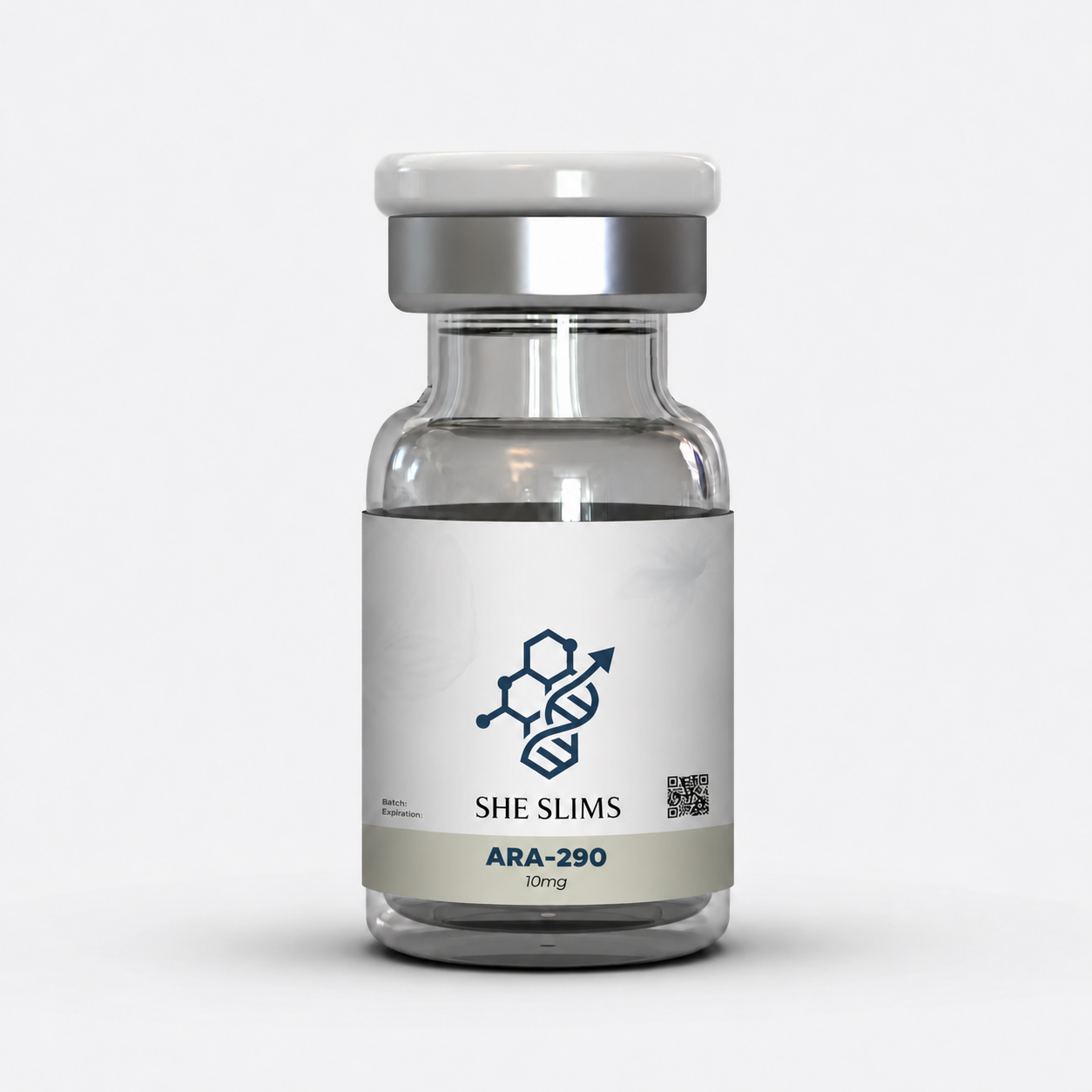
ARA-290 10mg (also known as Cibinetide) is a synthetic 11-amino-acid peptide modeled on a region of erythropoietin (EPO). Unlike the blood-cell-producing activity associated with EPO, ARA-290 was developed for research into the innate repair receptor, a signaling pathway involved in
Benefits
- Innate Repair Receptor Signaling: ARA-290 was designed to interact with the innate repair receptor, making it a subject of research into protective cellular signaling pathways.
- Cellular Protection Potential: Preclinical studies have examined its effects on how cells and tissues respond to injury and biological stress.
- Inflammatory Response Research: Animal studies have investigated changes in inflammatory markers and tissue responses following exposure to ARA-290.
- Peripheral Nerve Research: Small clinical studies have evaluated ARA-290 in people with small fiber neuropathy associated with conditions such as sarcoidosis.
- Nerve Fiber Density: Selected clinical trials reported changes in corneal nerve fiber density and other markers associated with small nerve fiber health.
- Neuropathic Symptom Investigation: Exploratory studies have observed improvements in certain neuropathy symptom scores, although results differ by measure and further confirmation is needed.
- Sensory Function Research: Researchers have used temperature and sensory testing to examine possible effects on peripheral nerve function in specific study populations.
- Tissue Repair Pathways: Experimental models have explored how innate repair receptor signaling may relate to recovery following tissue damage.
- Metabolic Regulation Research: A small clinical study in type 2 diabetes investigated metabolic measures and neuropathic symptoms, without establishing routine therapeutic benefit.
- Kidney Injury Models: Preclinical investigations have evaluated ARA-290 in kidney ischemia-reperfusion and other experimental injury settings.
Conclusion
ARA-290 10mg continues to attract research interest for its potential involvement in cellular protection, inflammatory signaling, and peripheral nerve biology. Although preliminary animal studies and small human trials have produced findings worth investigating, larger and longer-term clinical studies are needed to determine its safety, effectiveness, and appropriate medical applications. It remains an investigational compound rather than an established treatment.
Disclaimer
Disclaimer: The information provided is intended solely for research and educational purposes. It is not meant as medical advice, nor should it be used for diagnosis, treatment, prevention, or cure of any disease or health condition. This is a research chemical and is not approved for human use by the FDA or any other regulatory body. Its safety and efficacy for human use have not been established. Users are advised to conduct thorough research and consult with qualified healthcare professionals before considering its use. All experimentation should be conducted in accordance with relevant laws, regulations, and ethical guidelines.